Your Guide to Pet-Safe Gardening in the Santa Clarita Valley
· By SoCal Scoopers · Pet Safety
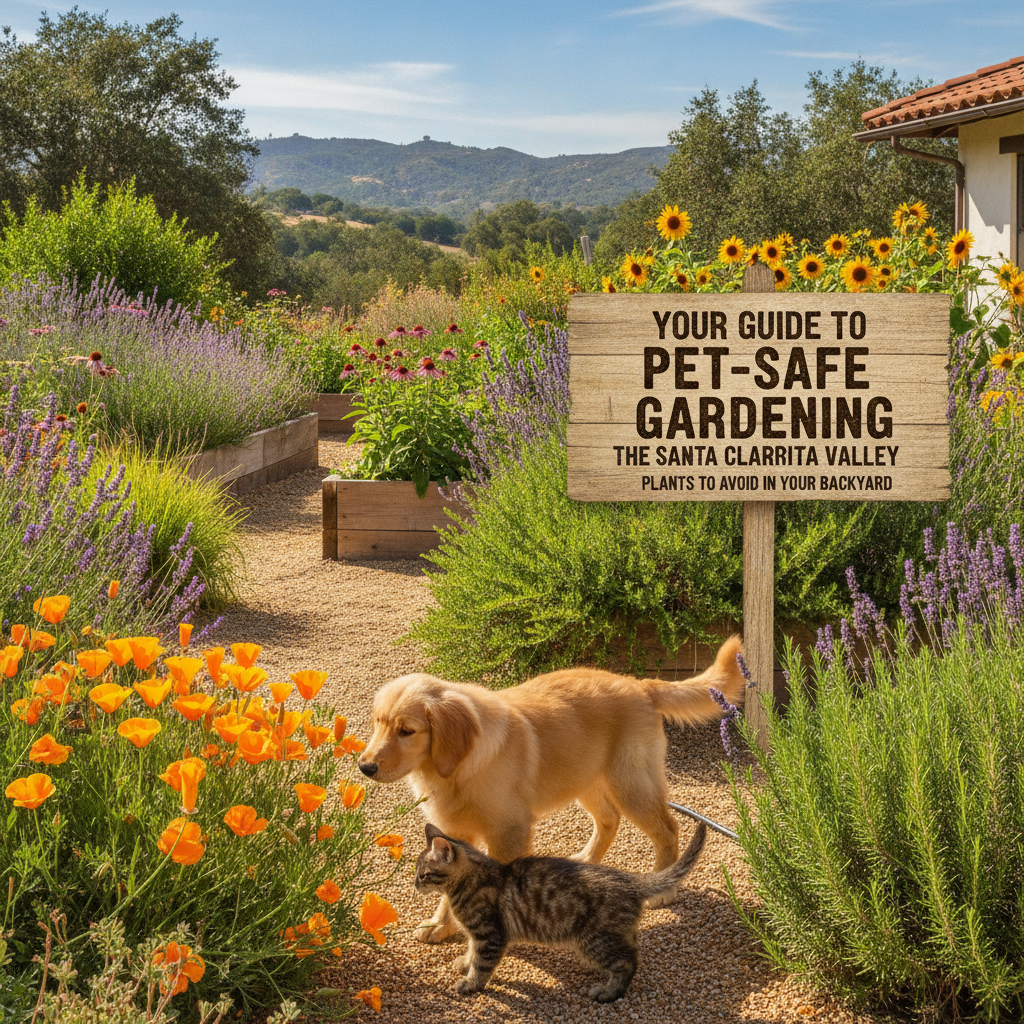
Creating a Beautiful, Pet-Safe Oasis in Your SCV Backyard
Here in Santa Clarita, we’re lucky to have beautiful weather that lets us enjoy our outdoor spaces nearly year-round. Whether you’re in Valencia, Saugus, or Canyon Country, cultivating a garden is a rewarding way to beautify your home. But as pet owners, we have an extra layer of responsibility. Many of the stunning, drought-tolerant plants that thrive in our SoCal climate are unfortunately toxic to our furry family members.
At SoCal Scoopers, our mission is to keep your yard clean, safe, and enjoyable for everyone, pets included. While we handle the poop, we also want to empower you with the knowledge to create a truly worry-free environment. Let's dig into some common landscaping plants in the SCV that could pose a risk to your curious cat or dog.
The Hidden Dangers Lurking in Local Gardens
Pets explore the world with their mouths, and a colorful flower or an interesting-looking leaf can be an irresistible temptation. Unfortunately, a single bite of some plants can lead to anything from mild stomach upset to severe illness or even worse. Recognizing these potential hazards is the first step in protecting your four-legged friends.
Common SCV Culprits: Plants to Avoid or Remove
You’ll likely recognize many of these plants from your own neighborhood or even your yard. While beautiful, they require careful management or removal if you have pets.
- Sago Palm: This is arguably one of the most dangerous plants for pets in Southern California. Often used in landscaping for its tropical look, every part of the Sago Palm is highly toxic, especially the seeds. Ingestion can cause severe vomiting, liver failure, and is often fatal.
- Oleander: You see these hardy shrubs everywhere in Santa Clarita, lining freeways and filling in garden beds. Despite their prevalence, they are extremely poisonous. All parts of the plant contain cardiac glycosides, which can disrupt heart function, causing serious cardiac issues.
- Lilies: For cat owners, this is a big one. Many popular types of lilies (including Tiger, Day, Easter, and Stargazer lilies) are severely toxic to cats. Even ingesting a small amount of pollen or drinking water from their vase can cause acute kidney failure. While less dangerous for dogs, they can still cause stomach upset.
- Bird of Paradise: This iconic, exotic-looking plant is a staple in many SoCal gardens. While it's a showstopper, the flower pods and seeds contain toxins that can cause nausea, vomiting, and drowsiness if eaten by your pet.
- Azaleas & Rhododendrons: These popular flowering bushes add a beautiful pop of color but contain grayanotoxins. If ingested, these toxins can lead to vomiting, diarrhea, and in severe cases, a dangerous drop in blood pressure and heart rate.
- Aloe Vera: This one surprises many people! While the gel inside the leaves has well-known healing properties for humans, the outer plant material contains saponins, which can cause vomiting, diarrhea, and lethargy in pets if they chew on a leaf.
Signs of Plant Poisoning in Your Pet
If you suspect your pet has nibbled on something they shouldn’t have, look for these common symptoms:
- Vomiting or diarrhea (with or without blood)
- Excessive drooling
- Lack of appetite
- Lethargy or weakness
- Pale gums
- Difficulty breathing
- Tremors or seizures
- Wobbling or instability
What to Do If You Suspect Poisoning
Acting quickly is critical. If you think your pet has ingested a toxic plant, follow these steps immediately:
- Remove Your Pet: Gently guide your pet away from the plant and secure them in a safe place.
- Identify the Plant: If you're not sure what it is, snap a quick photo of the plant. This will be invaluable for your veterinarian.
- Call for Help: Do not wait for symptoms to appear. Immediately call your local Santa Clarita veterinarian or an emergency pet hospital. You can also call the ASPCA Animal Poison Control Center at (888) 426-4435 or the Pet Poison Helpline at (855) 764-7661. (Note: A consultation fee may apply for these services).
Creating Your Pet-Friendly Garden Paradise
The good news is you don’t have to choose between a beautiful garden and a safe pet! There are plenty of gorgeous, non-toxic plants that thrive in the SCV.
Consider these pet-safe alternatives:
- Camellia: These beautiful flowering shrubs are non-toxic and add elegance to any yard.
- Marigolds: A bright, cheerful, and pest-deterring flower that is safe for your pets.
- Snapdragons: These colorful, whimsical flowers are a fun and safe addition.
- Rosemary: This fragrant, drought-tolerant herb is non-toxic and great for cooking!
- Haworthia (Zebra Plant): If you love the look of succulents like aloe, this spiky, non-toxic alternative is a perfect choice.
Pro Tip: Before buying any new plant, do a quick search on the ASPCA's Toxic and Non-Toxic Plants List. It's an excellent, comprehensive resource for pet parents.
A Safe Yard is a Happy Yard
Creating a safe and beautiful backyard in Santa Clarita is entirely possible with a little planning. By being mindful of the plants you choose, you can create a space where your pets can roam and play without risk. And when it comes to keeping that yard pristine, SoCal Scoopers is here to handle the dirty work, so you can spend more time enjoying your garden oasis with your happy, healthy pets.