The Ultimate Guide to Dog Socialization in Santa Clarita
· By SoCal Scoopers · Pet Care
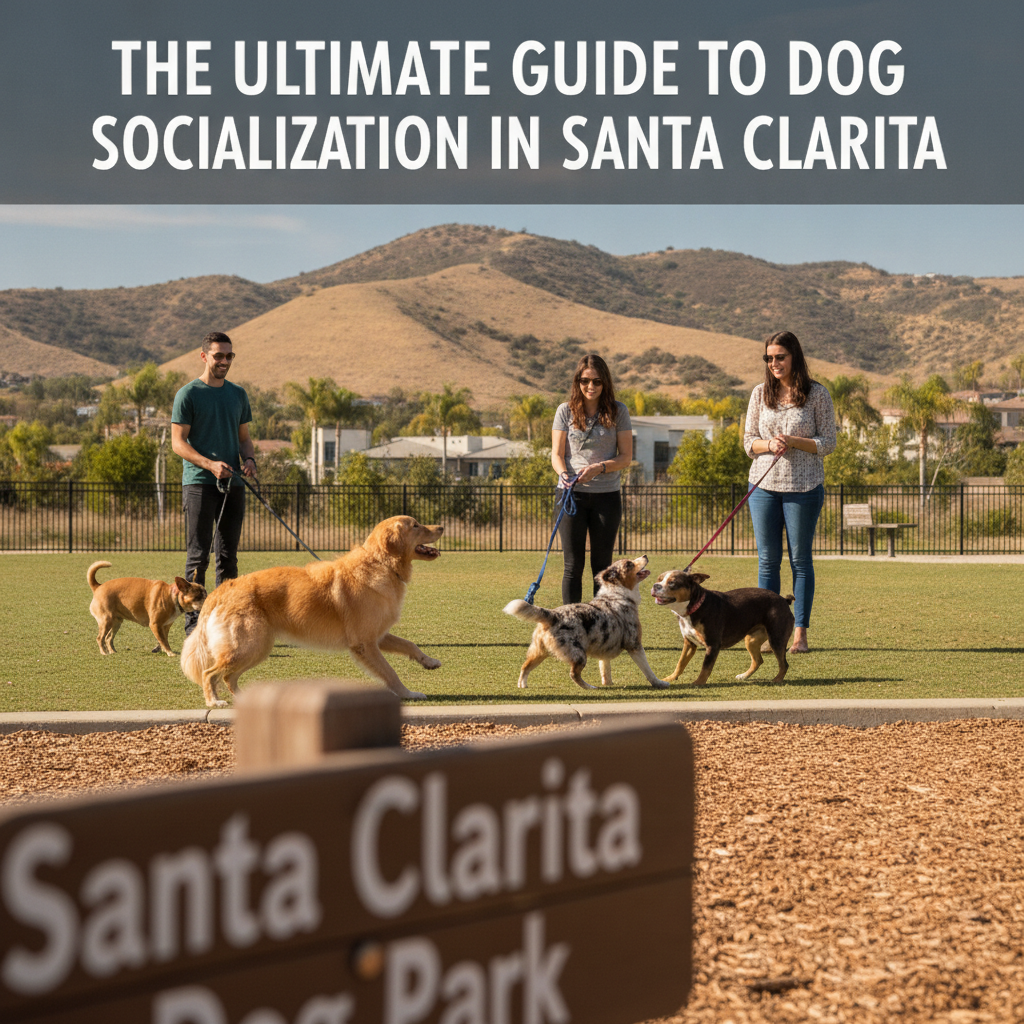
There’s nothing quite like the joy of watching your dog confidently and happily interact with the world. Here in Santa Clarita, we’re blessed with sunny weather and plenty of open spaces perfect for our four-legged friends. But creating a well-adjusted canine citizen involves more than just a romp at the dog park. Proper socialization is the key to a happy, confident, and safe pet, and it’s a journey that starts right here in our SCV community.
As your local pet care experts, we at SoCal Scoopers see firsthand how a well-socialized dog enriches a family’s life. It’s not about forcing your dog to be the life of the party; it’s about teaching them to be comfortable and calm in a variety of situations. This guide will walk you through the how, where, and why of dog socialization in Santa Clarita.
Why Socialization is More Than Just Playtime
Socialization is the process of preparing a dog to enjoy interactions and be comfortable with other animals, people, places, and activities. The primary goal is to prevent fear-based behaviors, which can often lead to anxiety and aggression. For puppies, there's a critical window between 3 and 16 weeks of age where their brains are like sponges, soaking up information about what’s safe and what’s scary.
According to the American Kennel Club (AKC), positive experiences during this period are crucial for developing a stable temperament. But socialization doesn’t end with puppyhood. Continuing to provide new and positive experiences throughout your dog’s life helps maintain their confidence and adaptability.
Santa Clarita’s Top Spots for Safe Socialization
Our valley offers a fantastic variety of environments to help your dog become a well-rounded companion. It's important to choose the right setting for your dog's individual personality and training level.
- The Famous Paseos: Santa Clarita's network of paseos is a goldmine for on-leash socialization. This controlled setting is perfect for teaching your dog to walk calmly past other dogs, joggers, bikes, and strollers. Keep a loose leash, reward your dog with a treat for calm behavior, and maintain a safe distance from others. The goal here is neutrality—teaching your dog that they don't have to greet everyone they see.
- Structured Classes: Before hitting the busy parks, consider a puppy or basic obedience class from a reputable local trainer. These controlled environments are fantastic for learning social cues under professional supervision. It’s a safe space for dogs to learn how to interact politely.
- Dog Parks (with a Strategy): Central Park Dog Park and Canine Country in Canyon Country are popular spots, but they can be overwhelming. For a successful visit, go during off-peak hours, keep your first few visits short, and pay close attention to your dog's body language. If your dog seems stressed or bullied, it's time to leave. Dog parks are for socially savvy dogs, not for learning social skills from scratch.
- Pet-Friendly Patios: Many local spots, especially around Old Town Newhall and Valencia Town Center, have dog-friendly patios. This is a great way to socialize your dog to bustling human environments. Start with a quiet corner and reward them for calmly lying at your feet. It teaches them to settle down in public, a priceless skill!
The Dos and Don'ts of Doggy Meet-and-Greets
Knowing how to manage interactions is just as important as where you go. A bad experience can set your training back significantly.
DO:
- Follow the 3-Second Rule: Keep initial on-leash greetings very brief (a quick sniff for no more than three seconds), then cheerfully call your dog away. This prevents tension from building.
- Watch for Positive Body Language: Look for loose, wiggly bodies, soft eyes, and play bows. This is what a healthy interaction looks like.
- Advocate for Your Dog: If another dog is too rough or your dog seems uncomfortable, confidently step in and create space. You are your dog's protector.
DON'T:
- Force It: Never drag your dog toward another dog or person. Let them approach at their own pace.
- Allow On-Leash Head-on Greetings: Tight leashes add tension, and a face-to-face approach can be seen as confrontational in the canine world. Try to let them greet in an arc.
- Ignore Stress Signals: The Humane Society of the United States points out that a tucked tail, lip licking, yawning when not tired, and a stiff body are all signs of stress. Recognize these and remove your dog from the situation.
A Clean Slate for a Happy Pup
Socialization is an ongoing commitment, but the rewards are immeasurable. A well-socialized dog is free to enjoy all the wonderful things our Santa Clarita community has to offer, from a walk along the river trail to a lazy afternoon at a cafe.
And after a fun day of adventures, every dog deserves a clean, safe space to relax. A poop-free yard isn't just about cleanliness; it's about health and reducing stress for your entire family. That’s where we come in. By letting SoCal Scoopers handle the dirty work, you get more quality time to spend on what truly matters: building an incredible bond with your happy, confident canine companion.
References:
American Kennel Club (AKC) - "Puppy Socialization: How and Why to Socialize Your Puppy"
The Humane Society of the United States - "Dog Body Language"