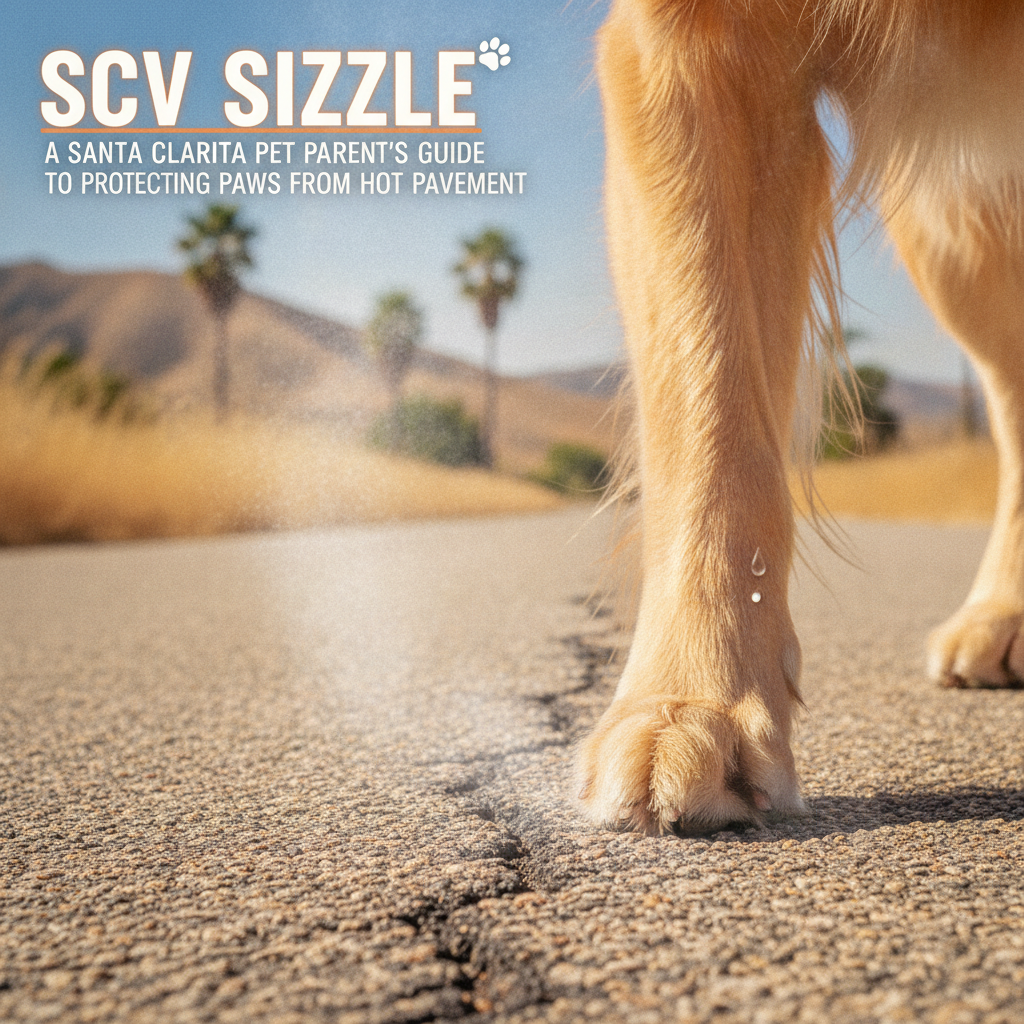
SCV Sizzle: A Santa Clarita Pet Parent's Guide to Protecting Paws from Hot Pavement
· By SoCal Scoopers · Pet Safety
That Santa Clarita Heat is No Joke
We all love the sunny skies of Santa Clarita, but when summer hits, that sunshine can turn our sidewalks, streets, and hiking trails into frying pans. As locals, we know to grab our water bottles and wear sunscreen, but it’s easy to forget that our furry best friends are walking around barefoot. Their paw pads, while tough, are no match for the scorching asphalt of a July afternoon on Magic Mountain Parkway.
As your neighborhood pet care experts at SoCal Scoopers, we see the effects of summer on our four-legged clients. A clean yard is essential for their health, but so is a safe walk. Protecting your dog’s paws from burns is a critical part of responsible pet ownership in the SCV. Let's walk through how to keep those paws safe and comfortable all summer long.
The Five-Second Rule: Your First Line of Defense
Before you even clip on the leash, perform this simple test. Place the back of your hand firmly on the pavement and hold it there for five seconds. If it’s too hot for your hand, it’s definitely too hot for your dog's paws. Asphalt and concrete can get dangerously hot, reaching temperatures much higher than the air. On an 85-degree day, asphalt can easily climb to over 140 degrees—hot enough to cause serious burns in under a minute.
Why Hot Pavement is So Dangerous
A dog's paw pads are amazing. They provide traction, act as shock absorbers, and protect the bones and joints in their feet. They contain a thick layer of fatty tissue that insulates them from cold, but they are not immune to extreme heat. Prolonged contact with hot surfaces can lead to:
- Painful Blisters: Just like a burn on our own skin, hot pavement can cause fluid-filled blisters to form on the pads.
- Severe Burns: In serious cases, the pads can suffer first, second, or even third-degree burns, leading to peeling, raw sores.
- Cracking and Peeling: The intense heat dries out the pads, making them prone to cracking, which can be incredibly painful and open the door for infection.
- Secondary Infections: Any break in the skin on a paw pad is a potential entry point for bacteria, especially from dirty surfaces.
Practical Paw Protection Tips for SCV Pet Parents
Keeping your dog safe doesn't mean locking them indoors until October. It just requires a little bit of planning and mindfulness. Here are our top tips for Santa Clarita dog owners.
1. Time Your Walks Wisely
This is the single most effective strategy. Avoid walking your dog during the hottest parts of the day, typically between 10 a.m. and 6 p.m. Instead, opt for early morning strolls or late evening walks after the sun has gone down and the ground has had time to cool. A sunrise walk along the San Francisquito Creek Trail or a sunset jaunt through the grass at Central Park are great local options.
2. Stick to Cooler Surfaces
Whenever possible, choose your path carefully. Steer your dog onto the grass or dirt next to the sidewalk. Shaded areas are your best friend. If you're walking in a residential neighborhood, cross the street to stay on the shady side. Remember that different surfaces retain heat differently; asphalt is usually the hottest, followed by concrete, while grass and soil stay much cooler.
3. Invest in Protective Gear
Dog booties are a fantastic tool in your summer safety kit. They provide a physical barrier between your dog's paws and the hot ground. Look for boots with rubber soles for the best heat protection and traction. It might take your dog some time to get used to them, so introduce them slowly at home with lots of praise and treats before you head out on a walk.
4. Use a Paw Balm or Wax
Specially formulated paw waxes can create a semi-permeable shield on your dog's pads, offering a thin layer of protection against hot surfaces and abrasive terrain. While not as effective as booties for extreme heat, they are great for moisturizing and preventing cracks. Apply it before a walk, and be sure to wipe their paws clean when you get home.
How to Spot and Treat a Paw Burn
Even with the best precautions, accidents can happen. Be on the lookout for signs of a paw pad burn:
- Limping or refusing to walk
- Excessively licking or chewing at their feet
- Pads that are darker in color than usual
- Visible blisters, redness, or raw spots
- Peeling skin on the pads
If you suspect your dog has burned their paws, immediately move them to a cool, grassy area. When you get home, flush their paws with cool (not icy) water or use a cold compress for 10-15 minutes. Do not let them lick the affected area. It's crucial to contact your local Santa Clarita veterinarian for an examination, as they can assess the severity of the burn and prescribe appropriate treatment, like antibacterial creams or pain relief, to prevent infection and ensure proper healing.
A Safe Summer is a Happy Summer
Being mindful of the ground temperature is a simple habit that makes a world of difference for your dog's comfort and health. By following these tips, you can both enjoy everything our beautiful Santa Clarita Valley has to offer this summer, one safe and happy step at a time.
References:
1. American Kennel Club (AKC) - "Protecting Paws from Hot Pavement"
2. VCA Animal Hospitals - "Paw Pad Burns in Dogs"