SCV Foxtails: The Hidden Danger Lurking on Your Favorite Santa Clarita Trails
· By SoCal Scoopers · Safety
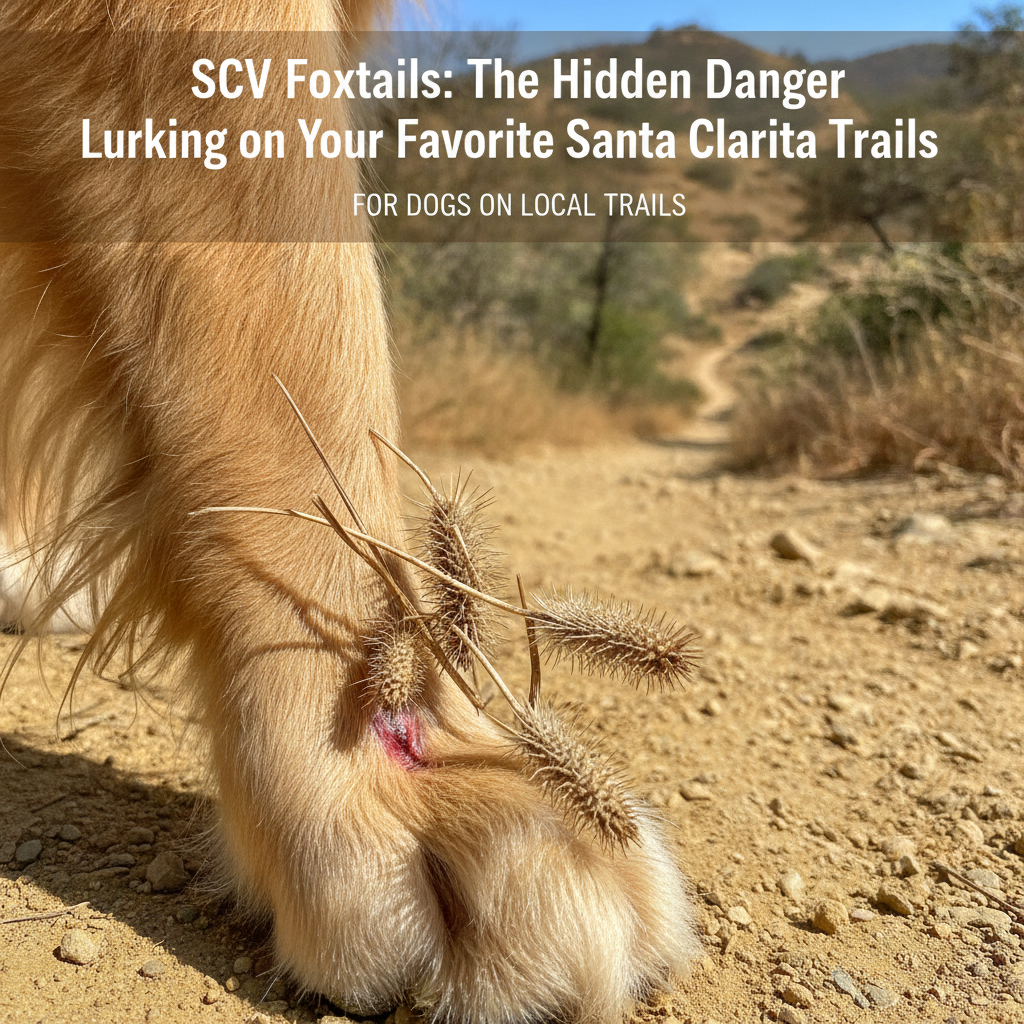
Santa Clarita's Trails: A Paradise with a Prickly Problem
Here in Santa Clarita, we're blessed with incredible outdoor spaces. From the rugged beauty of Towsley Canyon to a leisurely stroll through Central Park, there's nothing better than hitting the trails with our four-legged best friends. But as the golden hillsides dry out under the California sun, a sneaky and dangerous threat emerges: the foxtail. To many, they look like harmless blades of grass, but for our dogs, they can pose a serious, even life-threatening, risk.
As your local pet care experts at SoCal Scoopers, we spend our days making sure your yards are safe and clean. We believe that safety extends beyond the backyard fence. Understanding the danger of foxtails is crucial for any SCV dog owner who loves the outdoors. Let's dive into what they are, where to find them, and how to keep your pup safe this season.
What Exactly is a Foxtail and Why is it a Threat?
A foxtail isn't a single plant but the barbed seed head of several types of grasses that grow wild throughout California. The head is designed like a tiny, one-way arrow. Microscopic barbs on the seed allow it to burrow forward into soil, or unfortunately, into your dog's skin, paws, nose, ears, or eyes. Once it penetrates the skin, it cannot work its way back out. It can only travel deeper.
This burrowing action is what makes foxtails so dangerous. As the seed migrates through tissue, it carries bacteria with it, leading to severe infections, abscesses, and pain. If inhaled, a foxtail can travel to the lungs; if it enters a paw, it can migrate up the leg. In the worst cases, migrating foxtails can reach vital organs, causing fatal complications. This isn't just a minor annoyance; it's a true medical emergency.
Hotspots for Foxtails Around Santa Clarita
You don't have to be deep in the backcountry to encounter foxtails. They thrive in any unmanaged, grassy area. Be especially vigilant in these local spots:
- Hiking Trails: The edges of trails in areas like Haskell Canyon, East Walker Ranch, and the Iron Horse Trailhead are prime foxtail territory.
- Open Fields: Undeveloped lots and open spaces, especially in Canyon Country and Saugus, are often full of dried grasses.
- Park Perimeters: While parks like Bridgeport or Valencia Heritage are well-maintained, the wilder edges and drainage areas can harbor these plants.
- Your Own Backyard: Even your own yard can be a risk if you have overgrown patches of grass or weeds along fence lines.
The Telltale Signs: How to Spot a Foxtail Problem
Your dog can't tell you what's wrong, but they will show you. Be on the lookout for these symptoms, especially after a walk or playing outside:
- Paws: You may notice obsessive licking or chewing of a paw, swelling between the toes, limping, or a small, pus-filled sore.
- Nose: Sudden, violent, and persistent sneezing is a classic sign. There might be a bloody or yellow discharge from one nostril.
- Eyes: Redness, swelling, squinting, and thick discharge can indicate a foxtail trapped under the eyelid.
- Ears: Frantic head shaking, tilting the head to one side, scratching at the ear, or whining when the ear is touched are major red flags.
- Skin: A painful lump or abscess that appears suddenly and may be draining.
If you suspect your dog has a foxtail, do not wait. Contact your veterinarian immediately. Attempting to remove a deeply embedded foxtail at home can cause it to break apart, making the problem worse.
Your Post-Hike Foxtail Prevention Checklist
An ounce of prevention is worth a pound of cure. Make this checklist a routine part of every outdoor adventure.
- Stick to the Path: Keep your dog on leash and on cleared trails, avoiding tall, dry grasses and weeds.
- Perform a Thorough Body Check: After every walk, carefully run your hands over your dog's entire body. You're feeling for anything sharp or out of place.
- Inspect Key Areas: Use a fine-tooth comb, especially on long-haired breeds. Pay special attention to:
- Between the toes and paw pads.
- In and around the ears.
- Around the eyes and nostrils.
- In the armpits and groin area.
- Consider a Trim: Keep the fur on your dog's paws and around their ears trimmed short during foxtail season (late spring through fall). This gives the seeds fewer places to hide.
Conclusion: Enjoy the SCV Trails Safely
Foxtails are a serious part of life in Southern California, but they don't have to stop you and your dog from enjoying our beautiful Santa Clarita landscape. By being aware, vigilant, and proactive, you can significantly reduce the risk and ensure your adventures are happy and safe. At SoCal Scoopers, your pet’s health is our top priority—from keeping your yard clean of waste and hazards to sharing information that protects them on the trail. Now get out there and enjoy the sunshine, safely!
Reference Links:
AVMA - Foxtails
Veterinary Partner - Foxtail Dangers