Santa Clarita's Silent Woof: A Local Guide to Easing Your Dog's Separation Anxiety
· By SoCal Scoopers · Pet Care
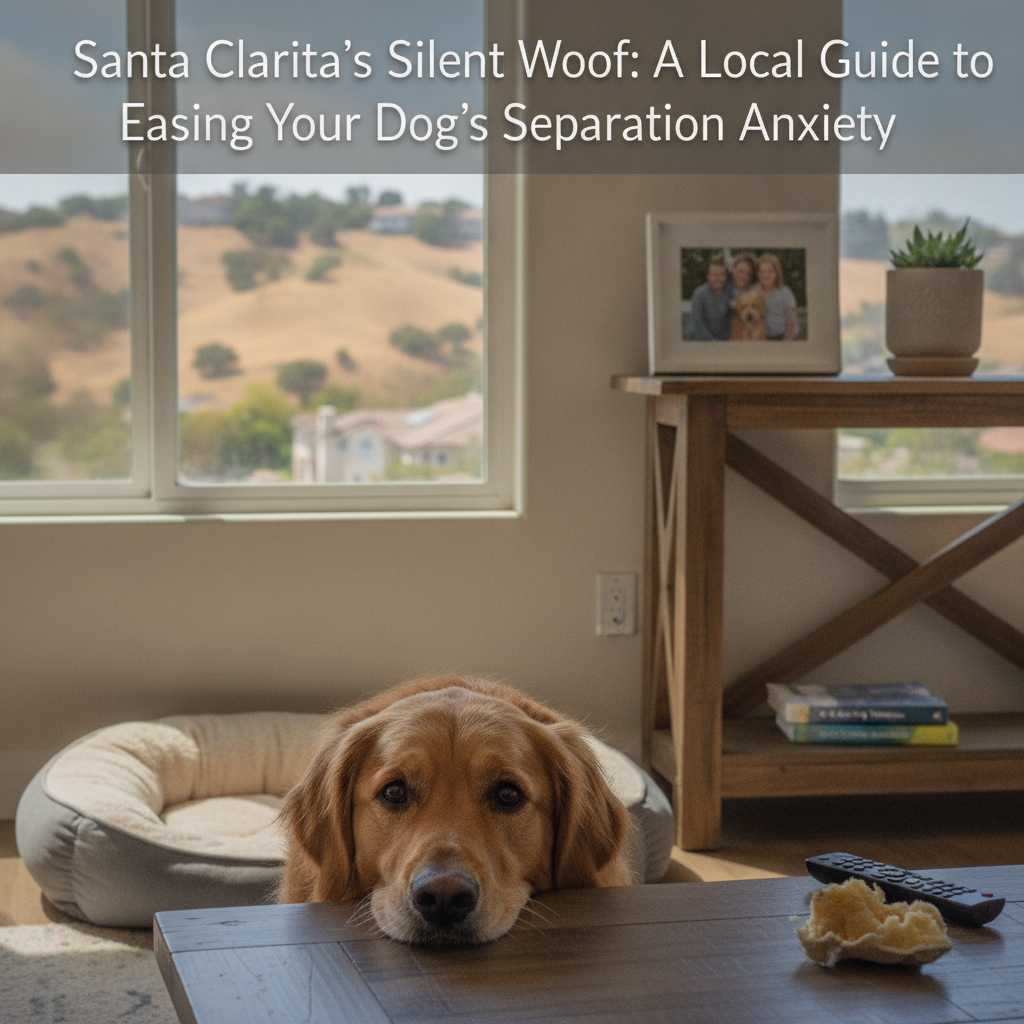
Is Your Best Friend Stressed When You're Gone?
You grab your keys, slip on your shoes, and glance back to see those big, pleading eyes staring at you. For many Santa Clarita pet owners, this is a familiar scene. The moment the door clicks shut, the anxiety kicks in—not just for you, but for your furry best friend. That faint whimper can quickly escalate into frantic barking, destructive chewing, or other signs of distress. This isn't just a case of a "bad dog"; it's a genuine panic attack known as separation anxiety.
Here in the SCV, our lives can be busy. Between commuting, running errands, or enjoying a day at Six Flags, our dogs spend a fair amount of time at home. As local pet care experts, we at SoCal Scoopers see the effects this can have. The good news is that with patience, understanding, and a few localized strategies, you can help your pup feel more secure and confident when they're on their own.
Decoding the Distress: What Separation Anxiety Looks Like
Separation anxiety is more than just sadness; it's a clinical anxiety disorder. A dog suffering from it experiences real panic when left alone. It's crucial to distinguish these symptoms from typical puppy behavior or boredom. Key indicators of separation anxiety include:
- Excessive Vocalization: Barking, howling, or whining that starts soon after you leave and continues for a prolonged period.
- Destructive Behavior: Chewing, digging, and scratching, often focused on doors, windows, and other exit points.
- House Soiling: Urinating or defecating indoors, which is uncharacteristic for your potty-trained dog.
- Escape Attempts: Frantic efforts to get out of their crate or even through a window, which can lead to injury.
- Pacing and Drooling: Restless, repetitive movements and excessive salivation are physical signs of high stress.
Santa Clarita Solutions: Local Tips for a Calmer Pup
Living in our beautiful valley presents unique environmental factors that can influence an anxious dog. By tailoring your approach, you can make a significant difference.
Beat the Heat and the Nerves: We all know how hot Santa Clarita summers can get. Anxious panting and pacing can quickly lead to overheating. Before you leave, ensure the AC is set to a comfortable temperature and that your dog has access to multiple bowls of fresh, cool water. A cooling mat can also be a fantastic comfort item for them to lie on.
Leverage Our Local Scenery: A tired dog is a less anxious dog. Physical and mental exercise is one of the most effective tools in your arsenal. Before a planned departure, take your dog for a brisk walk or a game of fetch along the Santa Clara River Trail or at a local spot like Central Park. This burns off excess energy, leaving them more inclined to rest and relax while you're away.
Manage Suburban Sounds: The relative quiet of our SCV neighborhoods can make sudden noises—the mail carrier, a neighbor's lawnmower, the Amazon delivery truck—more startling for an anxious dog. Drown out these triggers by leaving on a television, a classical music station, or a white noise machine. This creates a consistent, calming auditory environment that masks potential stressors.
Building Confidence: Actionable Steps for Every Day
Consistency is key to helping your dog overcome their anxiety. These techniques, practiced regularly, can reshape their association with being alone from a negative to a neutral—or even positive—experience.
- Make Departures and Arrivals Boring: Resist the urge to have a dramatic, emotional goodbye or a super-excited greeting when you return. Keep it low-key. A calm, quiet demeanor from you teaches your dog that your leaving isn't a big deal. Wait a few minutes after you get home to greet them calmly.
- Introduce High-Value Distractions: Give your dog a special treat that they only get when you leave. A puzzle toy filled with peanut butter (xylitol-free, of course!), a frozen Kong, or a long-lasting chew can keep their mind occupied during the initial, most stressful moments of your absence.
- Practice "Practice Departures": Desensitize your dog to your leaving cues. Pick up your keys and then sit on the couch. Put on your work shoes and then watch TV. Gradually work up to stepping out the door for 30 seconds, then a minute, then five minutes, returning each time without fanfare. This helps break the connection between these actions and the fear of prolonged separation.
- Create a Safe Haven: Designate a comfortable, safe space for your dog. For many, a crate (when properly introduced) can feel like a secure den. Fill it with a comfy bed, safe toys, and an old t-shirt that smells like you. This gives them a predictable sanctuary where they can feel protected.
When to Call in the SCV Professionals
While these tips can help manage mild to moderate anxiety, severe cases often require professional intervention. If your dog is injuring themselves or their anxiety isn't improving, it's time to seek help. Start by consulting with your local Santa Clarita veterinarian to rule out any underlying medical issues. From there, they can refer you to a certified professional dog trainer or a veterinary behaviorist who specializes in anxiety and can create a customized treatment plan.
Helping your dog through separation anxiety is a journey of patience and love. By understanding their fear and implementing these strategies, you can restore peace to your home and confidence to your companion. And remember, a calm home environment starts with a clean one. A clean yard from SoCal Scoopers means one less stressor for you and a healthier space for your pet to relax in.
Sources: