Santa Clarita's Silent Strikers: Your Dog's Guide to Rattlesnake Safety on Local Trails
· By SoCal Scoopers · Safety
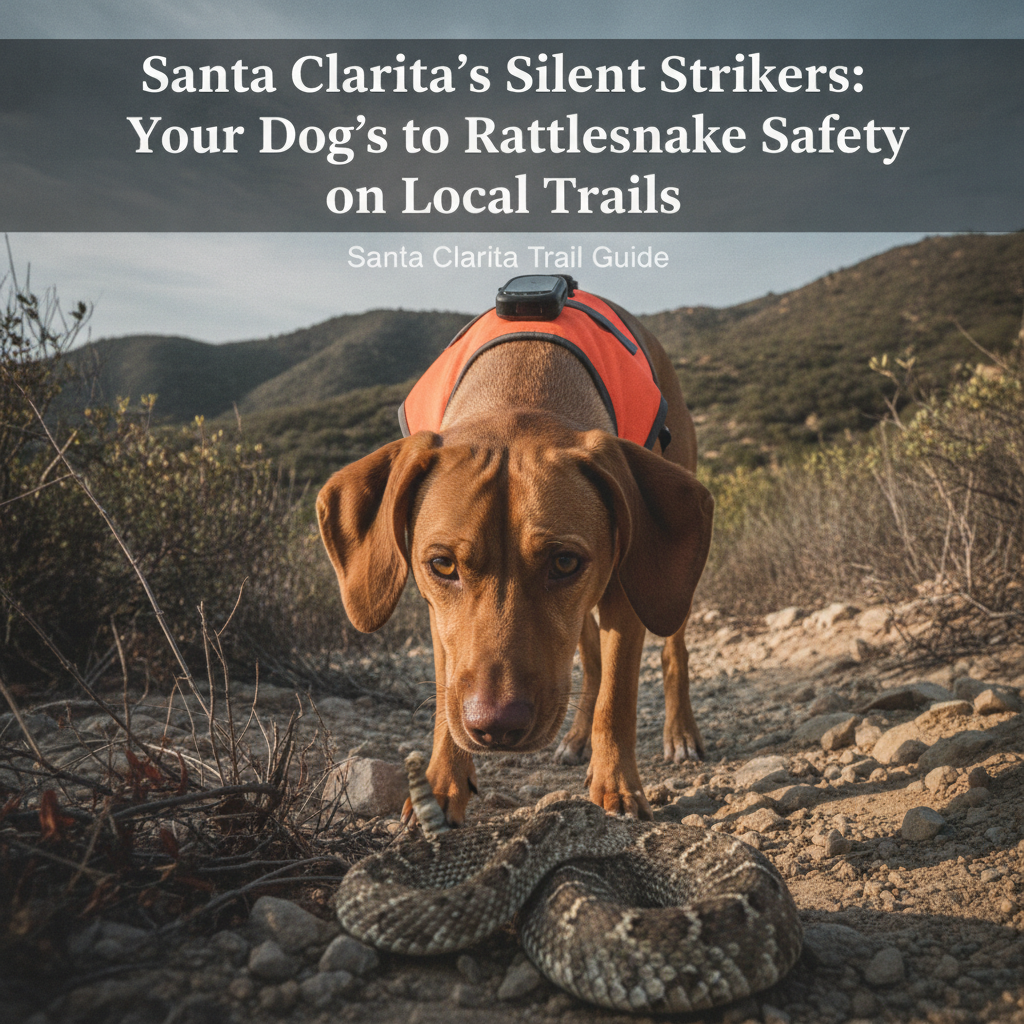
Hiking with Your Best Friend in the Beautiful SCV
There’s nothing quite like hitting the trails with your canine companion. Here in Santa Clarita, we’re blessed with stunning natural beauty, from the rolling hills of Towsley Canyon to the shaded paths of Placerita Canyon. It’s a dog’s paradise! But as local pet owners, we know that our beautiful landscape is also home to native wildlife, including the Southern Pacific Rattlesnake. As the weather warms up, these shy but venomous creatures become more active, making trail safety a top priority.
Don’t let that scare you away from the great outdoors! With a little knowledge and preparation, you and your furry adventurer can continue to enjoy our local trails safely. As your neighbors and fellow pet lovers at SoCal Scoopers, we’ve put together this essential guide to rattlesnake safety for Santa Clarita dog owners.
Know Before You Go: Rattlesnake Habits and Hotspots
Understanding rattlesnakes is the first step to avoiding them. They aren’t aggressive hunters looking for a confrontation; they bite out of self-defense when they feel threatened. In the SCV, you’re most likely to encounter them from spring through fall, especially during morning and late afternoon hours when they’re basking in the sun.
While they can be found anywhere, they prefer certain habitats. Be extra vigilant when you’re near:
- Rocky Outcrops: Snakes love to sun themselves on warm rocks.
- Tall Grass and Brush: These areas provide cover and are perfect hiding spots.
- Fallen Logs: Always assume something could be hiding underneath or beside a log.
- Trail Edges: Curious dogs sniffing off-trail are at the highest risk.
On the Trail: Proactive Prevention Tips
Prevention is always the best medicine. By adopting these habits, you dramatically reduce the risk of a dangerous encounter.
- Leash is Law (and Life): Keep your dog on a standard 6-foot leash. Retractable leashes allow dogs to wander too far into unseen brush, which is where most bites occur. A short leash gives you control to pull them away from danger instantly.
- Stay on the Path: Stick to well-maintained, wide trails where you have a clear line of sight. Discourage your dog from exploring dense undergrowth.
- Master the “Leave It” Command: A rock-solid “leave it” or recall command is invaluable. It can stop your dog in their tracks before they investigate a sound, smell, or sight that could be a snake.
- Mind Your Surroundings: Pay attention to where you and your dog are stepping. Scan the path ahead and listen for the unmistakable buzzing rattle. That sound is a warning – respect it and slowly back away.
- Consider Rattlesnake Aversion Training: Several local trainers offer specialized classes that teach dogs to recognize and avoid the sight, sound, and smell of rattlesnakes. It’s a fantastic investment in your dog’s safety.
- Talk to Your Vet About the Vaccine: The canine rattlesnake vaccine can be a helpful tool, but it's not a suit of armor. It works by helping to neutralize the venom, which can lessen the severity of a bite and, most importantly, buy you more time to get to an emergency vet. It does not make a bite non-emergent. Discuss the pros and cons with your veterinarian.
The Unthinkable Happens: What to Do If Your Dog is Bitten
Even with the best preparation, accidents can happen. If you suspect your dog has been bitten by a rattlesnake, your immediate actions are critical.
Step 1: Stay Calm. Your panic will stress your dog, increasing their heart rate and potentially speeding the spread of venom. Take a deep breath.
Step 2: Get to the Vet. Immediately. A rattlesnake bite is a life-threatening emergency. Head straight to the nearest emergency veterinary hospital. In Santa Clarita, this means knowing the location of a facility like VCA Urgent Care Animal Hospital or ACCESS Specialty Animal Hospital. Call them while you are en route to let them know you’re coming with a potential snakebite victim so they can prepare.
Step 3: Keep Your Dog Still. If possible, carry your dog to the car. If your dog is too large, walk them slowly. The goal is to keep their heart rate low to slow the venom’s circulation. Keep the bite area below the level of their heart if you can.
What NOT to Do:
- DO NOT apply a tourniquet.
- DO NOT cut the wound or try to suck out the venom.
- DO NOT apply ice or heat to the bite area.
These outdated methods are ineffective and can cause more harm. Your one and only job is to get your dog to a veterinarian as quickly and calmly as possible.
Safe Trails and a Safe Yard
Your dog's safety doesn't end when the hike is over. Snakes can also find their way into our yards, often drawn in by food sources like rodents. A clean, well-maintained yard is less attractive to pests. By regularly removing pet waste, you make your yard less appealing to the rodents that snakes prey on. At SoCal Scoopers, we’re dedicated to helping you keep your yard clean and safe for your entire family, paws and all.
Enjoy the beautiful Santa Clarita landscape with your furry friend! By staying aware, prepared, and proactive, you can ensure your trail adventures are always filled with happy tails and safe steps.
References:
AVMA: Rattlesnake Bite Prevention and Safety
ASPCA: Rattlesnake Vaccine for Dogs