Keeping Paws Out of the Pile: Your Valencia Guide to Pet-Safe Composting
· By SoCal Scoopers · Gardening & Sustainability
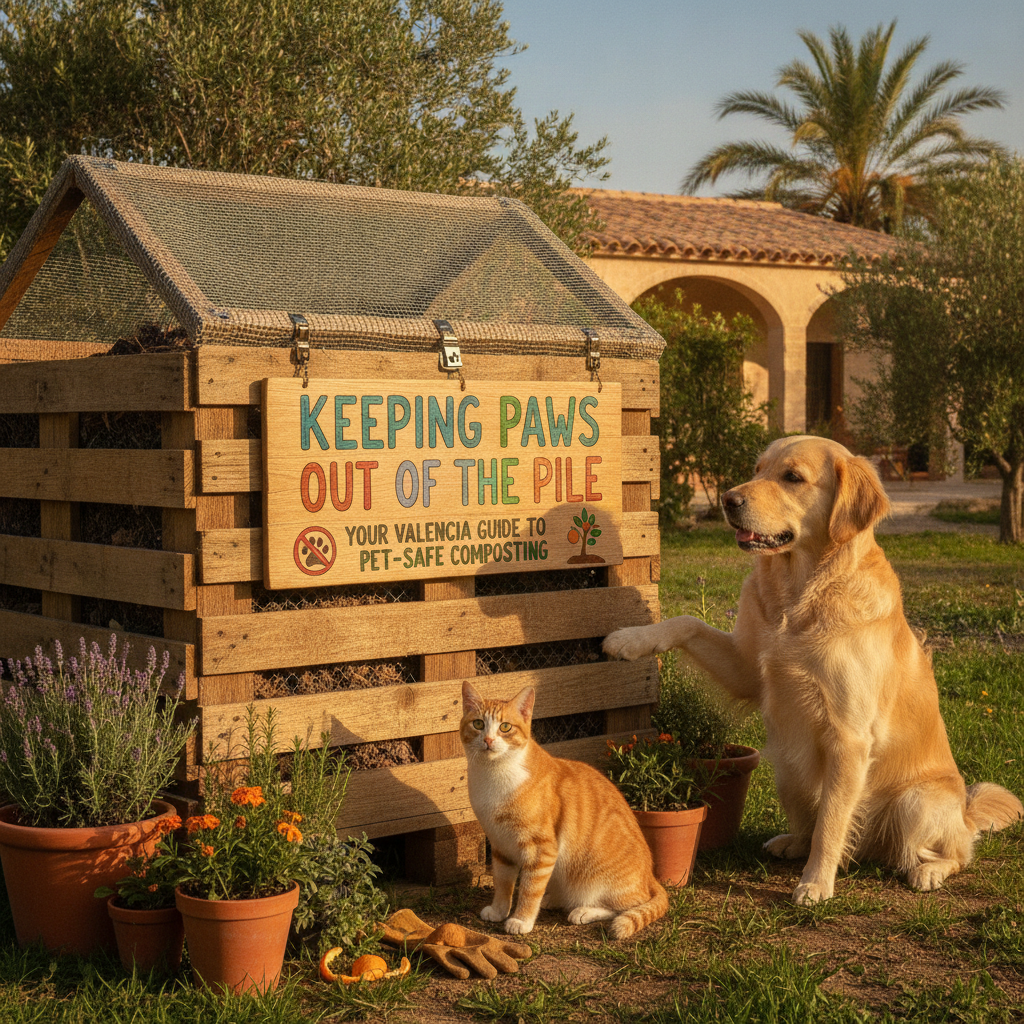
Your Valencia Guide to Pet-Safe Composting
Here in Valencia, we love our sunny days, our paseos, and our pets. We’re also a community that’s increasingly embracing sustainable living, from conserving water to reducing waste. That’s where composting comes in—turning kitchen scraps and yard trimmings into “black gold” for our gardens is a fantastic way to go green. But if you share your home with a curious canine or a feline explorer, that pile of decomposing goodness can pose a serious risk.
As a local pet care expert, I’ve seen the panic that ensues when a dog gets into something they shouldn’t. The good news is that you don’t have to choose between your garden and your furry friend’s safety. With a little knowledge and planning, you can compost successfully and keep your pets safe and sound.
Why is My Compost Pile So Interesting to My Pet?
First, let’s get inside the mind of your pet. To you, a compost pile might be a heap of old vegetable peels and grass clippings. To your dog or cat, it’s a treasure trove of irresistible smells and tastes. The process of decomposition creates heat and a complex, earthy aroma that’s fascinating to an animal with a superior sense of smell.
That pile can smell like a buffet of forbidden leftovers—moldy bread, remnants of last night's dinner, and other organic matter. It’s warm, it’s interesting, and it’s likely in a part of the yard they don’t always get to investigate. This natural curiosity is exactly why we need to be proactive about making our compost setup pet-proof.
The Hidden Dangers: What Makes Compost Toxic?
It’s not just about an upset stomach. Ingesting compost can lead to serious, life-threatening poisoning. Here are the primary dangers lurking in your pile:
- Mycotoxins: This is the most significant threat. Certain types of mold, which thrive on decomposing food like bread, dairy, pasta, and nuts, produce dangerous toxins called tremorgenic mycotoxins. When ingested, these toxins can cause severe neurological symptoms, including body tremors, agitation, hyperthermia, and even seizures. This is a veterinary emergency.
- Toxic Food Ingredients: Many foods that are perfectly safe for us are toxic to our pets. Grapes, raisins, onions, garlic, macadamia nuts, and coffee grounds are common compost additions that retain their toxicity as they break down. Even a small amount can cause significant illness.
- Physical Blockages: Some compost items don’t break down quickly and can become choking hazards or cause intestinal blockages if swallowed. Corn cobs are a major culprit, along with avocado pits, peach pits, and large bones (which shouldn’t be in a typical home compost pile anyway).
- Pesticides and Herbicides: If you’re adding yard waste to your pile, be mindful of any chemical treatments you’ve used on your lawn or plants. These chemicals can become concentrated in the compost and are harmful if ingested.
Your Pet-Proof Composting Blueprint for Valencia Homes
Ready to get started safely? The key is creating a system that keeps pets out while letting the good bacteria do their work. Here’s your blueprint:
- Choose a Secure System: An open pile is the riskiest option for pet owners. Instead, opt for a secure, enclosed system.
- Compost Tumblers: These are the gold standard for pet-safe composting. They are fully sealed, elevated off the ground, and easy to turn. A dog or cat simply can't get inside.
- Enclosed Bins: Stationary bins with secure lids are another great choice. Look for models with locking mechanisms or use a heavy rock or bungee cord to ensure the lid stays firmly in place, even if a clever dog tries to knock it over.
- Be Smart About What You Add: What you put in your compost is just as important as the container it’s in. To create a pet-safe pile, AVOID adding:
- Meat, fish, and bones
- Dairy products (cheese, yogurt)
- Oily or greasy foods
- Baked goods (bread, cake, pasta)
- Walnuts or macadamia nuts
- Known pet toxins like onions, garlic, grapes, and avocado pits
- Manage Your Pile Effectively: Good compost management not only creates better soil but also makes the pile less attractive and accessible to pets.
- Bury Food Scraps: When you add kitchen scraps, don’t just toss them on top. Dig a hole in the center of your pile, dump the scraps in, and cover them thoroughly with a layer of “browns” like dried leaves or shredded cardboard. This buries the tempting smells.
- Maintain a Hot Pile: A properly balanced and aerated compost pile will heat up, speeding decomposition and making it a less hospitable place for dangerous molds to grow.
What to Do If Your Pet Gets into the Compost
Even with the best precautions, accidents can happen. If you suspect your pet has eaten compost, it’s crucial to act fast.
- Contact Your Vet Immediately: Call your Valencia veterinarian or the nearest animal emergency hospital right away. Do not wait for symptoms to appear.
- Provide Information: Tell them you suspect compost poisoning and, if possible, what you think your pet may have ingested from the pile.
- Watch for Symptoms: Be on the lookout for vomiting, diarrhea, agitation, panting, drooling, stumbling, tremors, or seizures. Report any of these to your vet.
Composting is a rewarding process that enriches our gardens and reduces our environmental footprint. By choosing the right system and being mindful of what we add, we can easily ensure this wonderful practice doesn’t pose a threat to the four-legged family members we cherish. Let’s keep Valencia beautiful and our pets safe, one well-managed compost pile at a time.