Golden Lawns, Happy Paws: Your Saugus Guide to Pet Safety in a Dry Yard
· By SoCal Scoopers · Pet Safety Tips
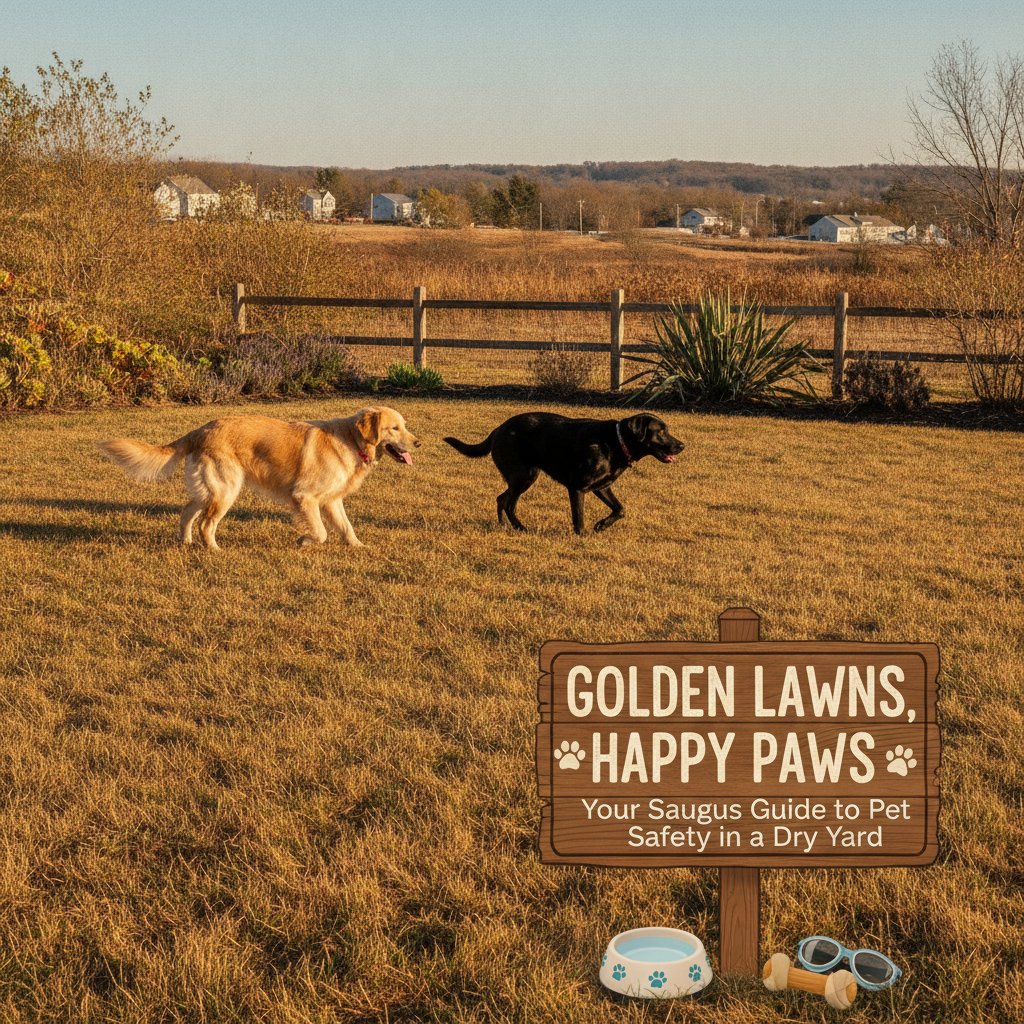
Hello, fellow Santa Clarita pet lovers! As a local pet care expert right here in Saugus, I’ve seen firsthand how our community has embraced water-wise landscaping. Those golden lawns and beautiful native plants save water and look great, but they also introduce a new set of challenges for our four-legged family members. The same sun and dry conditions that give our valley its character can create hidden hazards in our own backyards.
But don't worry! With a little know-how and a few simple habits, you can create a backyard oasis that is both beautiful, drought-tolerant, and perfectly safe for your furry companions. Let's walk through the most common issues I see and how to keep your pets protected all year long.
The Prickly Problem: Foxtails and Dry Weeds
If there’s one topic that comes up constantly at the dog park, it’s foxtails. These brittle, barbed seed heads from grasses like cheatgrass are everywhere in our dry hills and, unfortunately, our yards. They are perfectly designed by nature to travel in one direction: forward. When a foxtail latches onto your pet, it can burrow into skin, paws, ears, noses, and even internal organs. It will not come out on its own and almost always requires a visit to the veterinarian.
Practical Tips:
- Yard Patrol: Make a habit of walking your yard once a week to identify and remove any foxtail-producing grasses before they dry out. A weed whacker is your best friend here.
- Grooming for Safety: Keep your pet’s coat, especially the fur around their paws and ears, trimmed short during the spring and summer. This makes it harder for foxtails to hitch a ride and easier for you to spot them.
- The Post-Potty Pat-Down: After every trip outside, even just in the backyard, do a thorough check. Run your fingers between their toes, look deep inside their ears, check their armpits, and gently inspect their nostrils. This five-minute routine can save you a world of pain and expense.
- Know the Signs: Be alert for symptoms like frantic sneezing, tilting or shaking the head, pawing at an eye, or obsessive licking and limping. If you see any of these, call your vet immediately.
Hot Surfaces and Paw Protection
We all know how hot it gets in the Santa Clarita Valley. That heat radiates from the ground, turning sidewalks, asphalt, and even artificial turf into a frying pan. A surface that feels warm to your hand can cause serious burns on your dog's sensitive paw pads.
Practical Tips:
- The Seven-Second Rule: This is a fantastic guideline. Place the back of your hand on the surface your pet will be walking on. If you can't comfortably hold it there for seven seconds, it's too hot for their paws.
- Time Your Outings: The best times for walks and playtime are early in the morning before the sun has baked the ground, or late in the evening after it has cooled down.
- Create Cool Zones: Ensure your yard has ample shade from trees, umbrellas, or shade cloths. A shallow kiddie pool filled with a few inches of water can also be a wonderful way for your dog to cool off.
- Consider Booties: While some dogs resist them, protective booties can be a paw-saver for walks on hot pavement or hikes on our local trails.
Pet-Safe Landscaping Choices
Creating a drought-tolerant yard is a smart move, but it’s vital to choose your plants and materials with your pets in mind. Many popular water-wise plants are unfortunately toxic to cats and dogs.
Practical Tips:
- Safe Plants, Happy Pets: Opt for pet-safe plants that thrive in our climate. Great options include certain succulents like Hens and Chicks (but not all succulents are safe!), rosemary, and some varieties of sage. Always double-check a plant's toxicity on the ASPCA's official list before bringing it home.
- Avoid Common Toxins: Steer clear of plants like Sago Palm (extremely toxic), Oleander, and certain types of lilies, all of which are common in Southern California but pose a serious risk to pets.
- Choose Ground Cover Wisely: When replacing your lawn, think about your pet's comfort. Decomposed granite is a popular choice, but it can get very hot and dusty. Mulch can be great, but avoid cocoa mulch (toxic to dogs) and watch out for splinters. Smooth river rocks are often a better choice than sharp, jagged gravel.
Unwelcome Wildlife Visitors
Our beautiful Saugus neighborhoods are nestled right next to open space, which means wildlife is a part of life. A dry yard with lots of brush or debris can be an inviting home for rattlesnakes, coyotes, spiders, and other critters that can pose a threat to a curious pet.
Practical Tips:
- Clean Up Hiding Spots: Keep your yard tidy. Remove brush piles, keep woodpiles elevated, and trim back overgrown bushes. This gives snakes and rodents fewer places to hide.
- Supervise, Supervise, Supervise: Never leave your pet unattended in the yard, especially at dawn and dusk when wildlife is most active.
- Consider Rattlesnake Aversion Training: For dogs who spend a lot of time outside or go hiking, this specialized training can teach them to recognize and avoid the sight, sound, and smell of a rattlesnake.
- Emergency Prep: Always have the phone number and address of your nearest 24/7 emergency veterinary hospital handy. In a true emergency, every second counts.
Conclusion
Living in Saugus means we get to enjoy incredible weather and beautiful scenery, and our yards can be a reflection of that. By being mindful of the unique challenges our dry climate presents, we can create outdoor spaces that are not only sustainable but also safe, fun, and comfortable for the furry family members we love so much. A little prevention goes a long way in ensuring a happy and healthy season for everyone.