Beyond the Backyard BBQ: A Santa Clarita Pet Expert's Guide to Toxic Human Foods
· By SoCal Scoopers · Pet Safety Guide
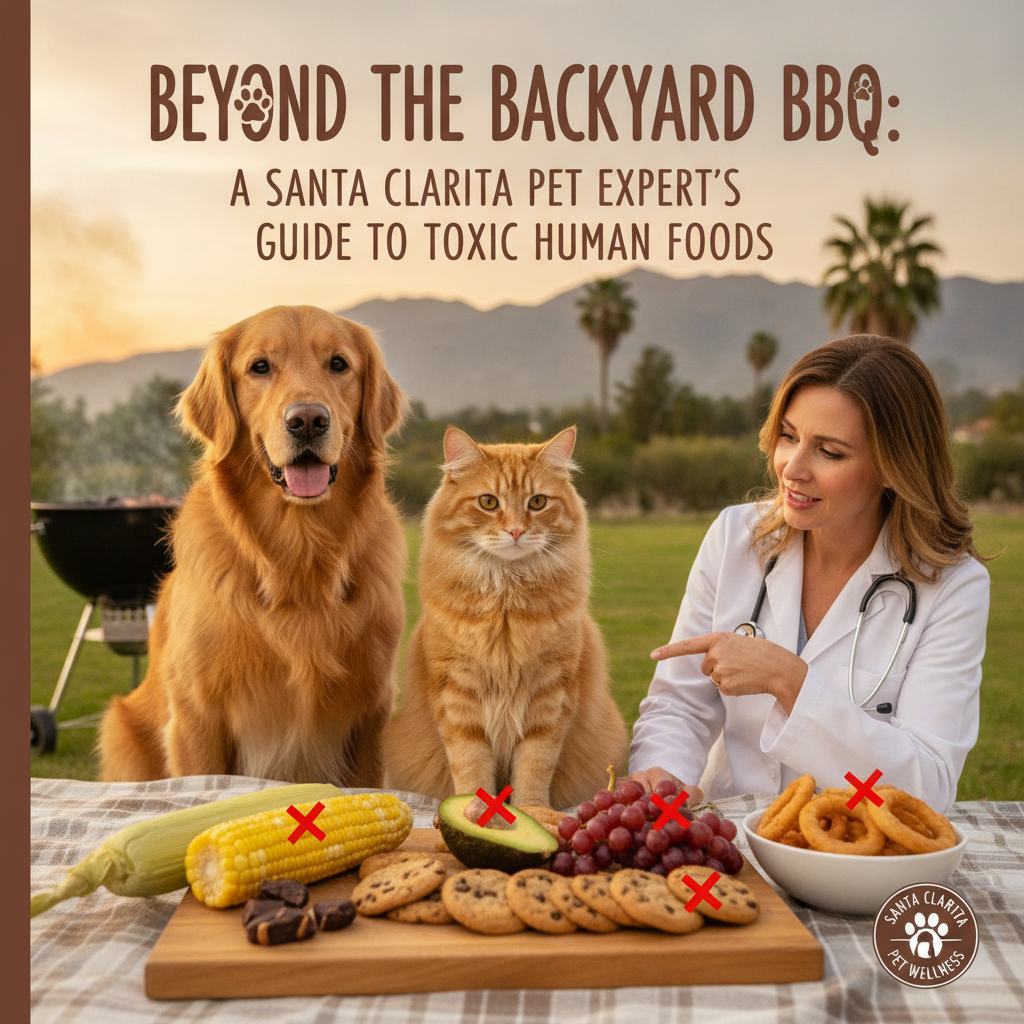
As a pet care expert right here in the Santa Clarita Valley, I know one of our favorite pastimes is enjoying the beautiful weather with family, friends, and of course, our four-legged companions. From a Saturday afternoon barbecue in Saugus to a picnic at Central Park, food is always at the heart of our gatherings. It’s so tempting to slip our pups a little treat from our plates, especially when they flash those irresistible puppy-dog eyes. But before you share your snack, it's crucial to know that many common human foods can be incredibly dangerous, even deadly, for dogs.
Sharing is an act of love, but the best way to love your pet is to protect them. Let's walk through some of the biggest food-related dangers to your dog, keeping our local SCV lifestyle in mind.
The Well-Known Offenders
Most seasoned dog owners have heard of these, but they bear repeating because the risks are so severe. These are the absolute 'never-evers' of the dog world.
- Chocolate: This is probably the most famous toxic food. It contains theobromine and caffeine, stimulants that dogs cannot metabolize effectively. Dark chocolate and baking chocolate are the most dangerous. Even a small amount can cause vomiting, diarrhea, rapid heart rate, seizures, and in severe cases, death.
- Grapes and Raisins: It’s still not fully understood what substance in grapes and raisins is so toxic to dogs, but the effect is undeniable. Ingesting even a small number can lead to sudden, acute kidney failure. There's no 'safe' amount, so keep these far away from your furry friend.
- Onions, Garlic, and Chives: These kitchen staples, part of the Allium family, are toxic to dogs in all forms—raw, cooked, powdered, or dehydrated. They can cause damage to a dog’s red blood cells, leading to a condition called hemolytic anemia. Signs might not appear for a few days, so be extra cautious with seasoned foods.
Perils of the Patio and Picnic Basket
When we’re outside enjoying the Santa Clarita sun, it’s easy to let our guard down. Here are some common items from our barbecues and outdoor feasts that pose a significant threat.
- Xylitol: This artificial sweetener is a silent killer. It's found in countless sugar-free products, including gum, candy, baked goods, and even some brands of peanut butter (always check the label!). For dogs, xylitol causes a rapid, massive release of insulin, leading to a life-threatening drop in blood sugar (hypoglycemia). It can also cause severe liver failure. Never leave a purse or backpack with sugar-free gum accessible to a curious pup.
- Cooked Bones: Tossing a dog a bone seems like a classic gesture, but cooked bones are a major hazard. They become brittle and can easily splinter, causing choking, blockages, or perforations in the digestive tract. Stick to raw, meaty bones or safe, veterinarian-approved chew toys.
- Corn on the Cob: While dogs can eat corn kernels, the cob itself is a huge problem. It’s the perfect size and shape to cause a complete intestinal blockage, a painful and serious condition that often requires emergency surgery.
- Fatty Scraps & Avocado: That fatty piece of tri-tip or the guacamole you love can wreak havoc on your dog's system. High-fat foods can trigger pancreatitis, a painful inflammation of the pancreas that can be severe and require hospitalization. Avocados also contain persin, a substance that can cause vomiting and diarrhea in dogs.
What to Do in an Emergency: Your SCV Action Plan
Accidents happen. If you suspect your dog has ingested something toxic, time is of the essence. Panicking won’t help, but a clear plan will.
- Stay Calm and Gather Information: Immediately remove your dog from the source of the food. Try to determine what they ate, how much of it, and when they ate it. Check the packaging for ingredients if you can.
- Call for Professional Help Immediately: Do not wait for symptoms to appear. Do not try to induce vomiting unless specifically instructed to do so by a veterinary professional, as it can sometimes make things worse. Call one of these 24/7 hotlines:
- ASPCA Animal Poison Control Center: (888) 426-4435
- Pet Poison Helpline: (855) 764-7661
- Contact Your Veterinarian: Call your primary Santa Clarita vet right away. If it's after hours, you'll need an emergency hospital. We are fortunate to have excellent 24/7 emergency facilities like ACCESS Specialty Animal Hospital here in Valencia. They will be prepared for your arrival and can provide life-saving care.
Conclusion: Keep Your Best Friend Safe
Our dogs are cherished members of our Santa Clarita families. The best way to show them our love is not by sharing our food, but by protecting their health. By being aware of these common dangers and keeping toxic items securely out of reach, we can ensure many more happy days walking the paseos, playing in the parks, and enjoying our beautiful valley together. A little bit of prevention goes a long way in keeping our furry residents safe, healthy, and happy.