Beating the Valencia Heat: Your Expert Guide to Dog Hydration This Summer
· By SoCal Scoopers · Pet Health & Safety
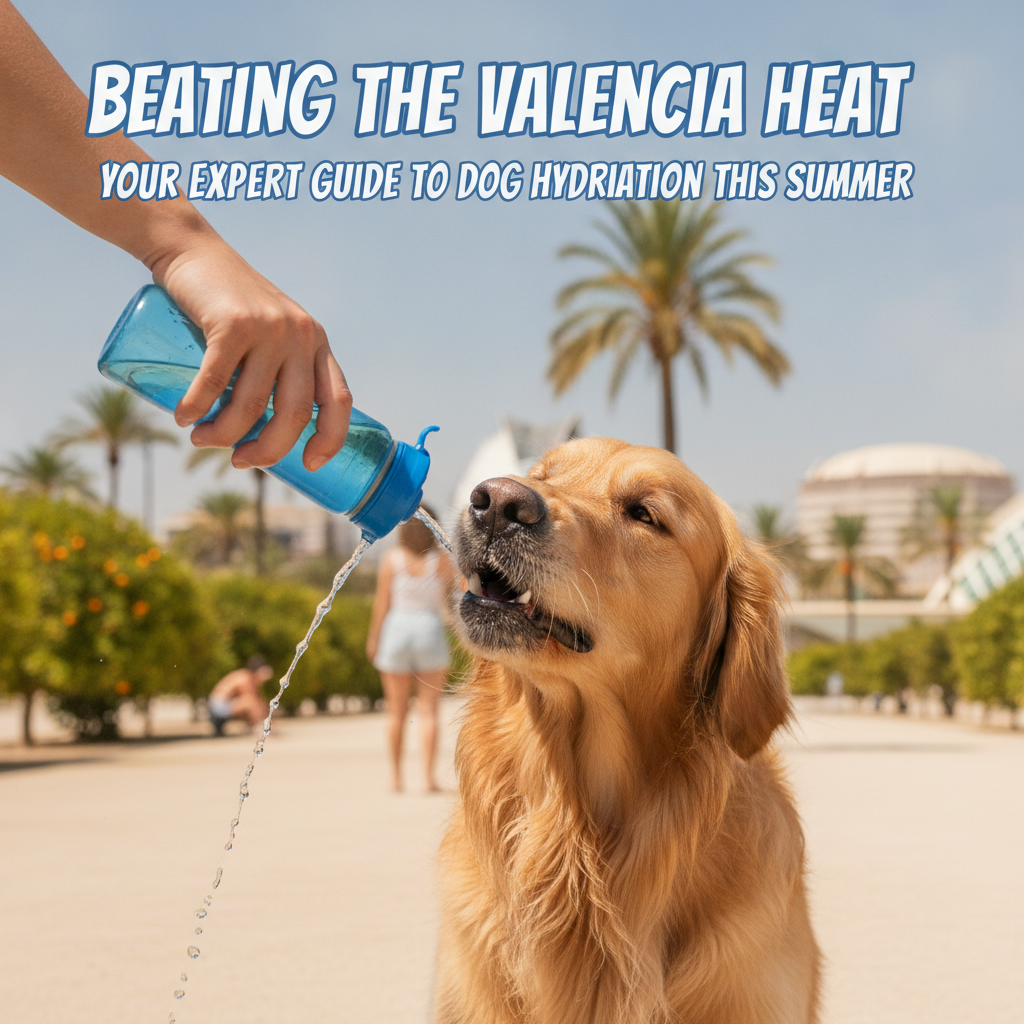
Hello, fellow Santa Clarita neighbors! As a local pet care expert, I know one thing for sure: our summers are no joke. When the sun beats down on Valencia, Saugus, and Canyon Country, we all scramble for shade and a cool drink. Our dogs are no different, but they rely on us to keep them safe and hydrated. Proper hydration is more than just having a water bowl; it's a critical part of your dog's health, especially during these scorching months. Let's dive into how you can ensure your furry family member stays happy, healthy, and hydrated all summer long.
Why Hydration is Such a Hot Topic
Water is essential for life, and for our canine companions, it plays a massive role in their overall well-being. Think of water as your dog's internal cooling system. While we sweat to regulate our body temperature, dogs primarily cool themselves through panting. This process releases heat but also causes them to lose significant amounts of water through evaporation. Here in the dry heat of the Santa Clarita Valley, that water loss can happen fast.
Beyond temperature regulation, water is vital for nearly every bodily function. It aids in digestion, helps transport nutrients to their cells, lubricates joints, and flushes toxins from their system. When a dog becomes dehydrated, these essential processes are compromised, which can quickly lead to serious health issues, including organ damage and heatstroke—a life-threatening emergency.
Spotting the Sneaky Signs of Dehydration
Dogs can't tell us when they're thirsty, so it's up to us to recognize the signs of dehydration. Catching it early can make all the difference. Be on the lookout for these common symptoms:
- Loss of Skin Elasticity: This is the most reliable at-home test. Gently lift the skin on the back of your dog's neck or between their shoulder blades. If it snaps back into place immediately, they're likely well-hydrated. If it returns slowly or stays in a 'tent,' your dog is probably dehydrated.
- Dry Gums and Nose: A healthy dog's gums should be slick and moist. If you touch them and they feel tacky or dry, it’s a red flag. A dry, crusty nose can also be an indicator.
- Thick, Ropey Saliva: Instead of normal drool, you might notice thick, stringy saliva.
- Lethargy and Weakness: Is your usually playful pup acting sluggish or uninterested in their favorite activities? A sudden drop in energy is a significant warning sign.
- Sunken, Dry-Looking Eyes: Dehydration can cause the eyes to appear sunken into their sockets.
- Dark-Colored Urine: A well-hydrated dog's urine should be light yellow or clear. Dark yellow or amber-colored urine indicates they need more fluids.
Practical Tips for Keeping Your Pup Quenched
Being proactive is the best way to prevent dehydration. Here are some simple, practical strategies you can implement right here in Valencia.
- Water, Water, Everywhere: Always have multiple bowls of fresh, cool water available throughout your home. Clean and refill them daily to keep the water appealing.
- Hydration on the Go: Never leave home without water for your dog, even for a short trip. Whether you're walking the trails at Central Park or heading to the dog park, bring a portable water bottle and a collapsible bowl.
- Time Your Outings: The pavement on streets like Valencia Boulevard or Town Center Drive can become dangerously hot. Avoid walks and strenuous exercise during the peak heat of the day, typically between 10 a.m. and 4 p.m. Opt for early morning or late evening strolls instead.
- Make Water More Interesting: Some dogs are picky drinkers. A pet water fountain can entice them with circulating, filtered water. You can also add a splash of low-sodium chicken or beef broth to their water bowl to make it more tempting.
- Hydrating Foods & Treats: Boost their fluid intake through their diet. Add some water or wet food to their dry kibble. Offer hydrating, dog-safe snacks like chunks of watermelon (seedless and rindless!), cucumber, or make your own frozen 'pupsicles' with broth and dog-safe fruits.
When to Call the Vet
If you suspect your dog is severely dehydrated or showing signs of heatstroke (excessive panting, confusion, vomiting, collapse), it's a medical emergency. Do not force them to drink, as they could inhale the water. Instead, focus on cooling them down by applying cool (not ice-cold) water to their body, especially their paws and groin area, and get them to your local Valencia veterinarian or an emergency animal hospital immediately.
Your vet can administer intravenous (IV) fluids to rehydrate your dog quickly and safely, which is often the most effective treatment for moderate to severe dehydration. It’s always better to be safe than sorry, so don't hesitate to seek professional help.
Conclusion
Living in our beautiful, sunny corner of Southern California comes with a responsibility to protect our pets from the heat. By recognizing the signs of dehydration and taking simple, proactive steps, you can ensure your dog enjoys a safe, fun, and well-hydrated summer. Keep those water bowls full, and enjoy the season with your four-legged friend!